Who Should You Book for Breathwork in Sydney?
 9 min read
If you are wondering who to book for breathwork in Sydney, begin with the work you want to do, not with a list of names. A weekly class, a private session, and a retreat are different rooms. They ask different things of you, and they ask different things of the person holding the space. The right practitioner is the one whose method, training, and care match what you are ready for.
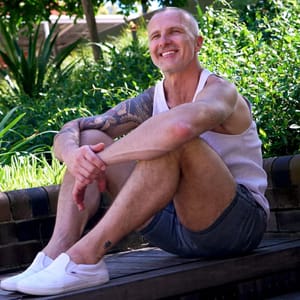
I am Mark Moon. I facilitate in Sydney, and I have sat with people in all three of those rooms. I would rather you booked the session that fits than booked me because a page told you to. What follows is how I would help a friend decide.
Start with what you are carrying
Before you compare facilitators, notice what you are actually wanting.
Some of us want a way back into the body. A calmer evening. A clearer head. A room of other people breathing, so the practice has somewhere to live in the week. Some of us are tired of managing the same stress, the same brace in the chest, the same pattern a holiday never quite touches. And some of us are in a season that needs more than an hour between meetings.
Those are different bookings. Name yours first. The practitioner comes second.
What you are working on shapes who you book
Breathwork is a wide family, not a single technique. A few slow breaths before sleep is breathwork. So is a continuous, connected breath that lets emotion, sensation, and old posture come forward to be felt. If you want the map of the styles, the breathwork styles guide sets them side by side, and Expansion Breathwork versus breathwork says how my own approach sits inside that family.
When someone sits down with me and asks who to book, I listen for one of three intentions.
- Regulation. You want to settle. A gentle class, a short practice, or a facilitator who can keep the pace kind will serve you well.
- Resilience. Stress keeps returning, and you want more capacity in ordinary life, not only a strong hour on the mat. Look for someone who builds the work in stages and leaves you time to land.
- Renewal. Something is held. A grief, a brace, a developmental pattern you can feel and cannot quite name. You want a private container, and a method that knows how to meet what the body has been storing. That is therapeutic work. It is still breathwork. It is not psychotherapy, and it should never pretend to be.
If renewal is the one you recognise, the longer map of those body-mind themes is healing your body and mind. This page is about who to sit with while you do that work.
Five questions to ask anyone you might book
I invite people to put these questions to me. I would ask them of anyone else.
- What is your method, in plain words? You should leave the answer knowing what you will actually do with your breath. A list of brand words is not a method.
- What training did you complete, and which professional body are you part of? In Australia, breathwork is not a protected title. Anyone can use the word. Membership of the Australian Breathwork Association, the Global Professional Breathwork Alliance, or the International Breathwork Foundation is a check you can make. If a facilitator cannot tell you, keep looking. I have written the fuller version in why choose a certified breathwork practitioner.
- How do you screen? Pregnancy, a heart condition, epilepsy, a serious illness, medication, or a tender season in your mental health belong in the conversation before anyone lies down. A facilitator who waves that away is not being welcoming. They are being careless.
- What happens after the breathing? Integration is part of the session. Time to feel, to speak if you want to, to come back to yourself before you drive. A practice that ends when the music stops is unfinished. What happens during breathwork describes the sensations people often meet, and why the close matters.
- Can we speak before I pay, and what does a session cost? A short conversation tells you more about fit than a reel of testimonials. In Sydney, a group ticket often sits around $40 and a private session around $200. Those are bands, not a promise. Ask for the current figure.
When a group class is the right call
Book a class if you are generally well, you want company, and a shared rhythm would help you keep a practice. Many people should start here. You learn the shape of the breath with others around you, and you find out whether this work has a place in your week.
A good class in this city names the method before you arrive, lets you slow down, and does not treat intensity as proof that something happened. The workshops I hold are on the events page. If you are still comparing the wider class landscape, breathwork classes in Sydney is the fuller guide, and breathwork in Sydney is the wider map of the city.
When private work is the right call
Book one-to-one when what you are carrying needs privacy. Stress that will not lift. A pattern a group has circled and not touched. A health question you would rather not announce to a room. Nerves about breathing in front of strangers. Or the quieter recognition that you have been functioning without really living.
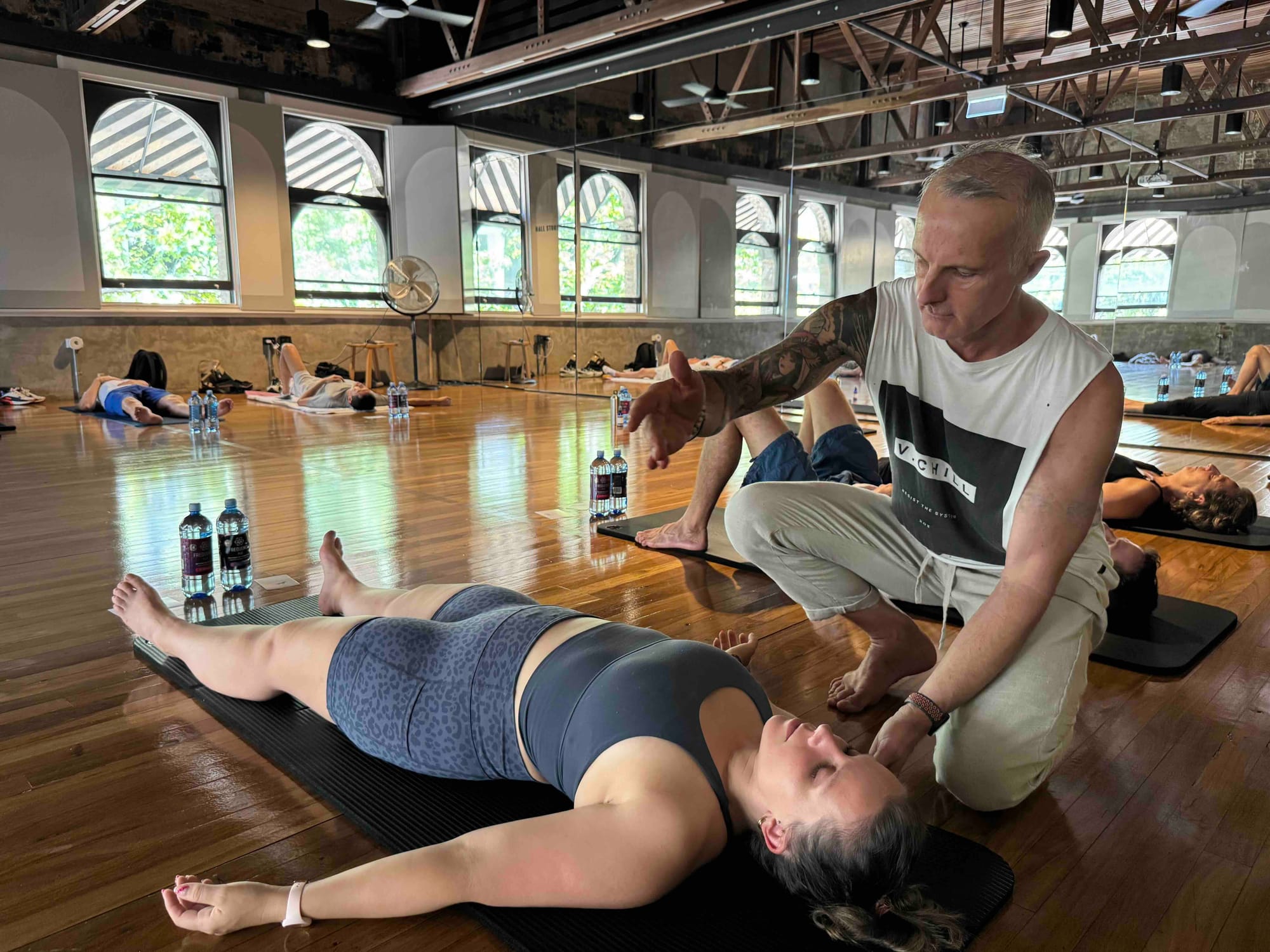
A first private session should open with a conversation. What you want. How your health is. What you have already tried. Then the breathing. Then enough time to return before you walk back into the street. You do not owe the hour a breakthrough. You do get to notice whether you could tell the truth there a second time.
If you are hiring someone because of stress, this is the container I would usually point you toward, with one condition. They screen, and they do not promise to treat anxiety, depression, or any other medical condition. Breathwork can help the nervous system settle. It can bring some air around a pattern that has been running you. A 2023 meta-analysis in Scientific Reports found breathwork associated with lower self-reported stress than control conditions, and a 2023 study in Cell Reports Medicine found that a few minutes of structured breathing a day improved mood and lowered arousal. Those studies are about breathing practices in general. There is no published trial of Expansion Breathwork itself. It is a practice, not a treatment. Your doctor or your therapist remains the right person for diagnosis and care. The two can sit side by side.
The booking-shaped page for this private work is therapeutic breathwork in Sydney. How the breath meets stress and anxiety, in ordinary language, is how breathwork helps with stress and anxiety in Sydney.
When a retreat is the right call
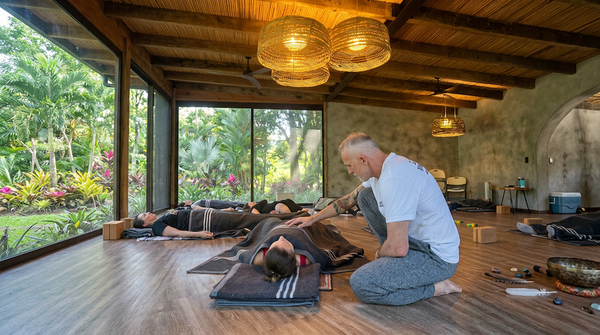
A retreat fits when you want more than a single session can hold. A few days out of the week. A group that stays. Time for the body to unwind, and time to integrate before you go home.
It is a poor first step if you have never been in a guided session and you are unsure of your health. Come to a class, or to a private hour, and learn how your system meets the breath. If the work then wants more room, look for a retreat with a clear method and a facilitator who stays for the strong hour and for the quiet one after it.
Vitality Rising, in the Byron Bay hinterland, is the retreat I hold for that deeper stretch. The retreats page shows what is actually open.
Where I fit, and where someone else will serve you better
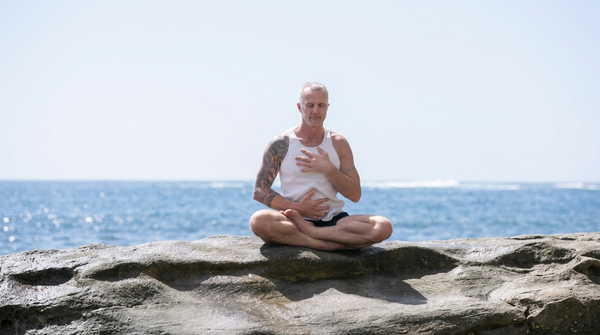
I practise Expansion Breathwork. It brings together conscious connected breathwork, somatic practice, and mindfulness. Each session moves through four phases: Calm, Charge, Clear, and Connect. The aim is not simply to feel better for an afternoon. The goal is to live life well.
I am a certified breathwork practitioner based in Sydney. I stay involved with the Australian Breathwork Association, the Global Professional Breathwork Alliance, and the International Breathwork Foundation, because the field is safer when training, ethics, and continuing development are not optional. I have been in this work for more than 25 years. The X Breath is a service-area practice. Sessions happen where the booking says. There is no public studio to turn up to. If an old directory still lists Paddington or Darlinghurst as a clinic address, that listing has drifted.
Book me if you want this method. Private therapeutic work. A group workshop in Sydney. Or a retreat. Especially if you want someone who will stay with the pattern, not only with the sensation of the hour.
Choose another facilitator if you want a different lineage, and do it without apology. A studio with a fixed weekly timetable. A Wim Hof or cold practice. A holotropic container. Or a psychologist, if what you need is clinical care. Fit is the whole point of choosing. You are allowed to outgrow a room, and you are allowed to begin in a different one.
A simple way to choose
| What you want | Who to book | A good sign |
|---|---|---|
| A few calm minutes | A short practice you can do alone | You feel settled, and you do not need a room |
| Company and a weekly rhythm | A group class | You can slow down, and the method is named before you arrive |
| Stress, a stuck pattern, or privacy | A certified practitioner, privately | Screening first, integration after, no promise to treat a condition |
| A deeper stretch, once you know the work | A retreat | Time to arrive, and time to land before you go home |
| The patterns underneath how you live | Expansion Breathwork with me | Private, group, or retreat, in that method |
How a first session with me goes
Most private sessions last around 90 minutes. We notice how you are arriving, and we set an intention that is honest rather than impressive. We move into the connected breath. We finish with time to integrate, whether that is a few words or a quiet rest. Allow two hours if you are driving afterwards.
You can begin in three ways:
- Private breathwork, when the work is yours alone.
- Group workshops, when you want the room.
- Retreats, including Vitality Rising, when the week is not enough container.
If you are new, a group session or a private one are both sound places to start. You do not need experience. The session meets you where you are.
For the method itself, read what Expansion Breathwork is. For the person, about Mark Moon.
Is it safe?
For most people, yes, when the facilitator screens and the session has a real close. If you have a heart condition, a serious illness, or you are pregnant, speak with your doctor first, the same way you would before a hard training block. Do the same if you live with a mental health condition or you take medication. I have written the fuller account in is breathwork dangerous?
Frequently asked questions
Who should I book for breathwork in Sydney?
Book the practitioner whose method and container match your intention. A group class, if you want company and a weekly rhythm. A certified private practitioner, if you are working with stress, a stuck pattern, or you need privacy and a conversation before you lie down. A retreat, if you already know the work and you want a deeper stretch. I am Mark Moon of The X Breath, and I fit the private, group, and retreat path when you want Expansion Breathwork. Plenty of good facilitators in this city practise other methods. A useful guide should be able to say so.
Who should I hire for breathwork for stress relief in Sydney?
Hire a certified practitioner who will screen you, and who will not promise to treat a medical or psychiatric condition. If stress is sitting in the body and will not lift, a private session is usually the better first hire than a crowded class. Research on breathwork and stress is encouraging for breathing practices in general. It is not a prescription, and there is no published trial of Expansion Breathwork itself. The fuller hiring guide is who to hire for breathwork and stress in Sydney. If you want that private container in Sydney, you can book a session with me.
Should I start with a class or a private session?
Start with a class if you are generally well and you want to learn the breath in company. Start with a private session if something specific is going on, you are anxious about a group, or you have a health question. Plenty of people take a class first and come to one-to-one when the work asks for more room.
How do I know a breathwork practitioner is properly trained?
Ask what training they completed, and which professional body they belong to. In Australia, start with the Australian Breathwork Association. Internationally, the Global Professional Breathwork Alliance and the International Breathwork Foundation. The title is not a government licence. The membership is still the check.
Is breathwork a replacement for therapy?
No. It can sit beside therapy. It does not diagnose, and it does not take the place of a psychologist, a doctor, or a crisis service. If you are in acute distress, begin there. Breathwork can be a later part of how you care for the body and the patterns it holds.
How many sessions will I need?
Many people feel something move in a first session. Some find that an occasional session is enough to feel more settled. Others choose a block of six to ten sessions when a pattern keeps returning. That is a conversation after you have stood up. It is not a package you should be sold before you arrive.
Sources
- Fincham, G. W., Strauss, C., Montero-Marin, J., and Cavanagh, K. (2023). Effect of breathwork on stress and mental health: A meta-analysis of randomised-controlled trials. Scientific Reports. https://doi.org/10.1038/s41598-022-27247-y
- Balban, M. Y., Neri, E., Kogon, M. M., et al. (2023). Brief structured respiration practices enhance mood and reduce physiological arousal. Cell Reports Medicine. https://doi.org/10.1016/j.xcrm.2022.100895