Breathwork Styles Guide: Find Your Perfect Practice
 8 min read
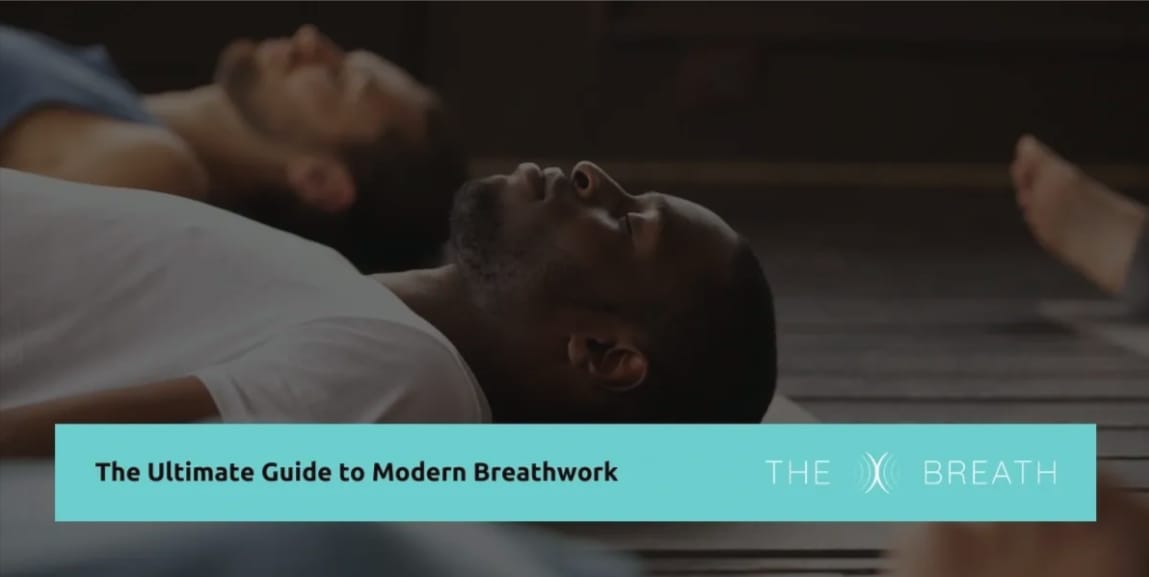
Are you ready to take your wellness routine to the next level? Breathwork is a powerful tool for reducing stress, improving mental clarity, and increasing energy levels. But with so many styles of breathwork out there, it can be hard to know where to start.
That's where this guide comes in. In this article, we'll explore some of the most popular styles of modern breathwork, and provide you with a comprehensive guide on finding the perfect practice for you. So take a deep breath, relax, and let's dive into the world of breathwork together.
What Is Holotropic Breathwork?
Holotropic breathwork was developed by Stanislav Grof and Christina Grof in the 1970s as a way to explore the potential of non-ordinary states of consciousness for healing and personal growth. The word "holotropic" comes from the Greek words "holos" (whole) and "trepein" (to turn), and refers to the idea that these states of consciousness can help us access the deepest parts of ourselves and promote healing on a holistic level.
In a holotropic breathwork session, participants lie down and breathe deeply and rapidly for an extended period of time, usually around two hours. The goal is to induce an altered state of consciousness that can help participants access repressed emotions, memories, and experiences. Participants may experience a wide range of sensations and emotions during the session, including intense physical sensations, emotional release, and spiritual insights.
One of the key features of holotropic breathwork is the use of music to support the process. The music is carefully selected to create a specific atmosphere and guide participants through different stages of the experience. After the session, participants have the opportunity to share their experiences with the group and integrate what they have learned. Some precautions for this style of breathwork include avoiding it if you have a history of seizures or other neurological conditions, and working with a trained facilitator to ensure a safe and supportive environment.
What Is Rebirthing Breathwork?
Rebirthing breathwork was developed by Leonard Orr in the 1970s as a way to help people release emotional and physical blockages and connect with their true selves. The practice is based on the idea that our first breath at birth is a traumatic experience that can create deep-seated emotional and physical patterns that affect us throughout our lives.
In a rebirthing breathwork session, participants lie down and breathe deeply and rhythmically for an extended period of time, usually around an hour. The goal is to release tension and emotional blockages and connect with the breath in a deep and profound way. Participants may experience a wide range of sensations and emotions during the session, including physical release, emotional catharsis, and spiritual insights.
One of the key features of rebirthing breathwork is the use of affirmations to support the process. Participants may repeat affirmations to themselves during the session to help them release negative patterns and connect with their true selves. After the session, participants have the opportunity to share their experiences with the group and integrate what they have learned. Some precautions for this style of breathwork include avoiding it if you have a history of respiratory problems or high blood pressure.
What Is Therapeutic Breathwork?
Therapeutic breathwork is a more general term that refers to any type of breathwork practice that is used for therapeutic purposes. This can include practices like holotropic breathwork and rebirthing breathwork, as well as other types of breathwork that are tailored to the specific needs of the individual.
In a therapeutic breathwork session, the practitioner works with the client to identify their specific goals and needs, and then designs a breathwork practice that is tailored to those needs. The practice may involve deep breathing, visualization, movement, or other techniques that are designed to help the client release tension, reduce stress, and promote healing on a physical, emotional, and spiritual level.
One of the key features of therapeutic breathwork is the individualized approach. The practitioner works closely with the client to create a practice that is tailored to their specific needs and goals. This can be especially helpful for people who are dealing with specific issues like trauma, anxiety, or chronic pain. Expansion breathwork, as practised in Sydney at The X Breath, draws on this therapeutic tradition while integrating elements of conscious connected breathing and modern wellness coaching.
What Is Conscious Connected Breathing?
Conscious connected breathing is a type of breathwork that is designed to help people release emotional and physical blockages and connect with their true selves. The practice involves breathing deeply and rhythmically in a continuous cycle, without pausing between inhales and exhales. This creates a state of hyper-oxygenation in the body, which can help to release tension and promote healing on a physical, emotional, and spiritual level.
In a conscious connected breathing session, participants lie down and breathe deeply and rhythmically for an extended period of time, usually around an hour. The goal is to release tension and emotional blockages and connect with the breath in a deep and profound way. Participants may experience a wide range of sensations and emotions during the session, including physical release, emotional catharsis, and spiritual insights.
One of the key features of conscious connected breathing is the use of music to support the process. The music is carefully selected to create a specific atmosphere and guide participants through different stages of the experience. After the session, participants have the opportunity to share their experiences with the group and integrate what they have learned.
What Is Transformational Breathwork?
Transformational Breathwork is a type of breathwork that is designed to help people release emotional and physical blockages and transform their lives. The practice involves breathing deeply and rhythmically in a specific pattern, which is designed to help participants access repressed emotions, memories, and experiences. The goal is to promote healing on a physical, emotional, and spiritual level, and to help participants connect with their true selves.
In a Transformational Breathwork session, participants lie down and breathe deeply and rhythmically for an extended period of time, usually around an hour. The breath is guided by a facilitator, who helps participants to maintain the specific pattern and rhythm. Participants may experience a wide range of sensations and emotions during the session, including physical release, emotional catharsis, and spiritual insights. Some suggestions for this style of breathwork include practicing in a quiet and comfortable space, and working with a trained facilitator to ensure proper technique and support.
One of the key features of Transformational Breathwork is the use of affirmations to support the process. Participants may repeat affirmations to themselves during the session to help them release negative patterns and connect with their true selves. After the session, participants have the opportunity to share their experiences with the group and integrate what they have learned.
What Is Shamanic Breathwork?
Shamanic breathwork is a type of breathwork that is designed to help people access non-ordinary states of consciousness and connect with the spirit world. The practice involves breathing deeply and rhythmically in a specific pattern, which is designed to induce an altered state of consciousness.
In a shamanic breathwork session, participants lie down and breathe deeply and rhythmically for an extended period of time, usually around an hour. The breath is guided by a facilitator, who helps participants to maintain the specific pattern and rhythm. Participants may experience a wide range of sensations and emotions during the session, including physical release, emotional catharsis, and spiritual insights.
One of the key features of shamanic breathwork is the use of music to support the process. The music is carefully selected to create a specific atmosphere and guide participants through different stages of the experience. The facilitator may also use other tools like rattles, drums, or other instruments to help participants connect with the spirit world.
After the session, participants have the opportunity to share their experiences with the group and integrate what they have learned. Shamanic breathwork can be a powerful tool for healing and personal growth, and can help participants connect with their true selves and the world around them in a deep and profound way.
What Is Wim Hof Breathwork?
Wim Hof is a Dutch extreme athlete who has developed his own unique style of breathwork that combines breathing exercises, cold exposure, and meditation. His method, also known as the "Wim Hof Method," has gained popularity in recent years due to its reported health benefits.
The Wim Hof Method involves a series of breathing exercises that are designed to increase oxygen levels in the body and reduce stress. The technique involves taking 30-40 deep breaths in a row, followed by holding your breath for as long as possible. This process is repeated for several rounds, with the goal of increasing the body's tolerance to carbon dioxide and improving overall health and well-being.
In addition to the breathing exercises, the Wim Hof Method also involves cold exposure, such as taking cold showers or immersing yourself in cold water. This is believed to help boost the immune system, reduce inflammation, and increase energy levels.
While the Wim Hof Method has been shown to have a number of health benefits, there are also some potential risks to be aware of. Some people may experience dizziness, lightheadedness, or tingling sensations during the breathing exercises, and there is a risk of hyperventilation if the technique is not performed correctly. Additionally, cold exposure can be dangerous for people with certain medical conditions, such as heart problems or Raynaud's disease.
Overall, the Wim Hof Method can be a powerful tool for improving health and well-being, but it's important to approach it with caution and to consult with a healthcare professional before starting any new exercise or wellness program.
What Precautions Should You Take With Intensive Breathwork?
When it comes to intensive breathwork practices like holotropic, rebirthing, therapeutic, shamanic, and transformational breathwork, it's important to approach them with caution and care. While these practices can be incredibly powerful tools for healing and transformation, they can also be intense and potentially triggering.
Some precautions to keep in mind include avoiding intensive breathwork if you have a history of:
- Cardiovascular problems
- Glaucoma
- Severe uncontrolled hypertension
- A diagnosis of bipolar, schizophrenia or severe psychosis
- Recent surgery or fractures
- Acute infectious illness
- Epilepsy
It's also important to work with a trained facilitator who can guide you through the process and provide support if needed. Additionally, it's important to be aware that intensive breathwork practices can involve intense emotional and physical release, so it's important to approach them with an open and curious mindset, and to be prepared for whatever experiences may arise.
By taking these precautions and working with a trained facilitator, you can safely and effectively explore the transformative power of intensive breathwork.
How Do You Choose the Right Breathwork Style for You?
Now that you know the ins and outs of the most popular styles of modern breathwork, it's time to find the practice that works best for you. Whether you're looking to explore non-ordinary states of consciousness, release emotional and physical blockages, or promote healing on a holistic level, there's a breathwork practice out there that can help you achieve your goals.
So why not take a deep breath, let go of any doubts or fears, and give it a try? Who knows, you might just unlock the power of breathwork and transform your life in ways you never thought possible.
Frequently Asked Questions
Q: Which breathwork style is best for beginners?
Therapeutic breathwork and conscious connected breathing are excellent starting points for beginners. These styles allow a trained practitioner to tailor the session to your individual needs and comfort level, making them more accessible than intensive modalities like holotropic or shamanic breathwork.
Q: How is expansion breathwork different from other styles?
Expansion breathwork, developed by Mark Moon, integrates elements of conscious connected breathing, therapeutic breathwork, and modern wellness coaching into a single cohesive practice. It emphasises both the in-session experience and ongoing integration through home practice, music, and mindfulness techniques.
Q: Is breathwork safe for everyone?
Most gentle breathwork practices are safe for healthy adults. However, intensive styles should be avoided if you have cardiovascular conditions, epilepsy, severe hypertension, glaucoma, or certain psychiatric diagnoses. Always consult a healthcare professional before beginning an intensive practice and work with a trained facilitator.
Q: Can breathwork replace therapy or medical treatment?
Breathwork is a complementary wellness practice, not a replacement for professional medical or psychological treatment. Many people find that breathwork supports their overall wellbeing alongside conventional care. A qualified breathwork practitioner will always encourage you to maintain any existing medical or therapeutic relationships.
Ready to discover which breathwork style is right for you? Explore Mark Moon's upcoming breathwork events in Sydney or book a private session for personalised guidance on your breathwork journey.
Once you know the family of styles, find the right breathwork style in Sydney.
About Mark Moon Mark Moon is a Sydney-based breathwork practitioner and the creator of Expansion Breathwork, with over 25 years of experience in holistic wellness. An executive member of the Australian Breathwork Association and registered with the Global Professional Breathwork Alliance, Mark offers 1:1 breathwork sessions, group events, corporate wellness programs, and immersive retreats in Sydney and Byron Bay. Learn more at The X Breath.