How to Recover From Burnout: A Holistic Path
 5 min read
Recovering from burnout takes more than a holiday. It means restoring what long-term stress has used up: your nervous system's ability to settle, your energy, your connection to people, and your capacity for joy. A holistic path works alongside professional support. Calm the body with breath, rebuild rest in every form it takes, and change what drained you in the first place.
If you are reading this at the end of a long stretch of holding everything together, you are not lazy and you are not broken. You have been carrying more than you realised.
What burnout actually is
The World Health Organization describes burnout as an occupational phenomenon, not a medical condition. In its ICD-11 classification it names three signs: exhaustion, growing mental distance or cynicism about your work, and a sense that you are no longer effective.
That definition is about work. Real life is less tidy. Caring for family, running a business, grief, or a long season of pressure can leave people in the same place. The body does not check where the load came from.
Beyond Blue has a clear overview if you want the clinical picture. This page is about the other half: how people actually come back.
Why a holiday or a long sleep doesn't fix it
Most people try rest first. A week off. A weekend of sleeping in. It helps, and then Monday arrives and the tiredness is back by Wednesday.
That happens for two reasons.
First, burnout lives in the body as much as the mind. After months of pressure, the stress response stays switched on. Breathing becomes shallow and high in the chest. Sleep gets lighter. The body keeps bracing even when the calendar is clear.
Second, sleep is only one kind of rest. It restores the body overnight. It does not, on its own, restore your sense of play, your connection to other people, or the feeling that life is worth celebrating. When those are empty, eight hours in bed will not refill them.
Start with the body: breath and the nervous system
Breathing is the one part of the stress response you can change on purpose. That is why breath is the place to start.
The research is encouraging. A 2023 meta-analysis of randomised controlled trials in Scientific Reports found breathwork was associated with lower self-reported stress than control conditions. In another 2023 study, published in Cell Reports Medicine, five minutes a day of structured breathing for a month improved mood and lowered physiological arousal. Breathing with a long, slow exhale had the strongest effect.
Here is a simple practice you can start today:
- Sit or lie down somewhere you won't be interrupted.
- Breathe in gently through your nose for a count of four.
- Breathe out slowly through your nose or softly through your mouth for a count of six.
- Keep going for five minutes. If the counts feel forced, shorten them. The exhale just needs to be longer than the inhale.
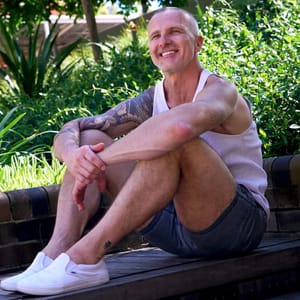
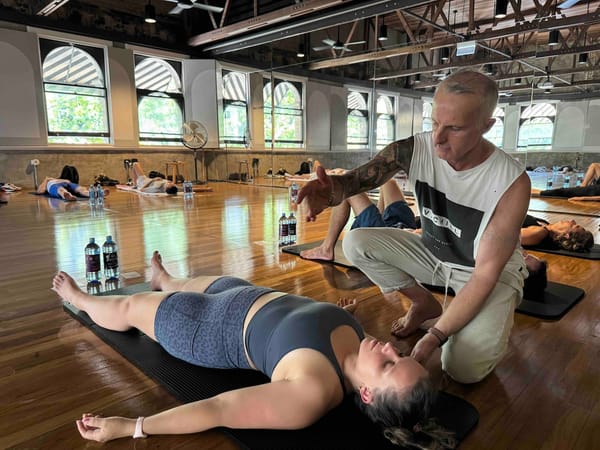
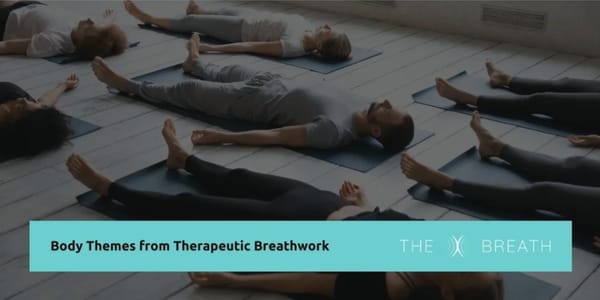
That is a daily reset, not a cure. Deeper practices, such as the conscious connected breathing at the centre of Expansion Breathwork, are best learned with a trained practitioner. Mark Moon of The X Breath is a certified breathwork practitioner and an executive member of the Australian Breathwork Association, with more than 25 years in the work. If you're unsure whether strong breathwork is right for you, read Is breathwork dangerous? first.
Recovery is more than rest: the six dimensions
Mark describes genuine rest through six dimensions. Recovering from burnout usually means rebuilding all six, not just catching up on sleep.
- Recovery — letting the body come down from stress, so the nervous system can stop bracing.
- Restoration — replenishing what has been used up: energy, sleep quality, nourishment.
- Rejuvenation — feeling vital again, through movement, breath and time in nature.
- Recreation — play and enjoyment for their own sake, with nothing to achieve.
- Reconnection — coming back to yourself, to the people who matter, and to the natural world.
- Celebration — noticing and marking what is good, on your own or with others.
Most burnt-out people are not missing all six equally. Some sleep fine but haven't played in a year. Some are surrounded by people but haven't felt connected in months. Knowing which dimension is empty tells you where to begin.
The full framework is explained in The Six Dimensions of Adequate Rest.
What you can do this week
You don't need to overhaul your life to start. Pick two or three of these.
- Breathe for five minutes, twice a day. Morning and before sleep. Use the long-exhale practice above.
- Find the empty dimension. Read the list above and ask which one you've gone longest without. Do one small thing for it this week.
- Get outside without your phone. Twenty minutes in nature covers rejuvenation and reconnection at once.
- Protect one evening. No work, no screens after dinner, no catching up. Treat it as an appointment.
- Tell one person the truth. Burnout grows in silence. Saying "I'm not coping as well as I look" to someone you trust is often the turning point.
Consistency matters more than intensity. Five minutes daily for a month will do more than one heroic weekend.
When to get professional help
Breathwork and rest are powerful, but they are not a replacement for medical or psychological care. If exhaustion is affecting your sleep, appetite or ability to function, or you feel hopeless, see your GP. They can rule out other causes and connect you with a psychologist if that would help.
If you need to talk to someone now:
- Beyond Blue: 1300 22 4636
- Lifeline: 13 11 14
A holistic path works best alongside that support, not instead of it.
When a retreat can help
Daily practice keeps you steady. Sometimes, though, you need enough time away to feel what rested actually feels like again, so you know what you're rebuilding towards.
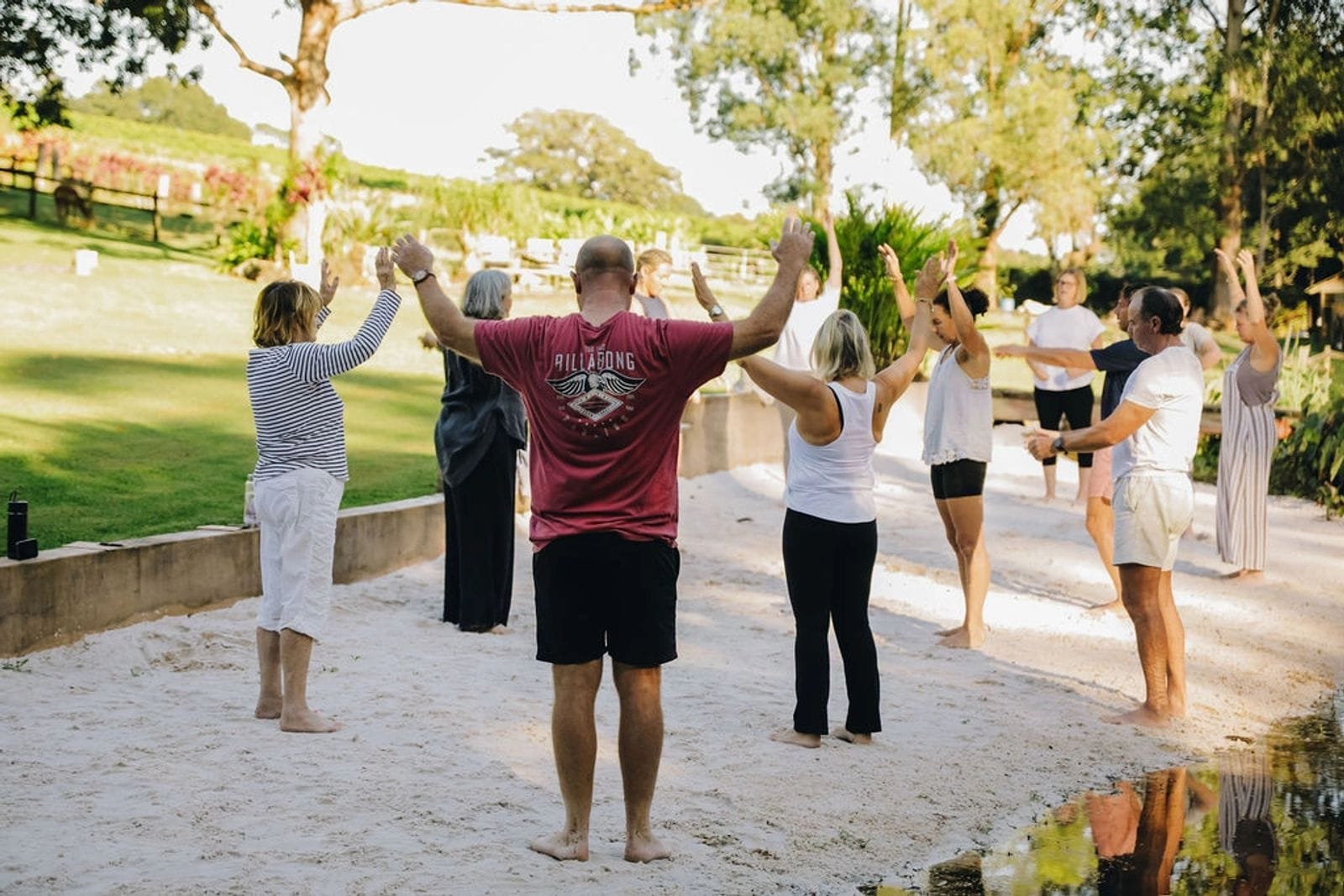
That is what a retreat is for. Mark's Expansion Retreats are built on the six dimensions. Over several days, small groups move through breathwork, yoga, reflection and time in nature in a deliberately sequenced journey, with recovery periods built in. Guests take home practices for everyday life, because the real test of a retreat is what continues after it ends.
A retreat is not a fix, and it isn't the right first step for everyone. If you're new to breathwork, a Sydney group session or a private session with Mark is a gentler place to start.
Frequently asked questions
How long does it take to recover from burnout?
It varies, and it is usually months rather than days. The people who recover best tend to practise a little every day, rather than waiting for one big break.
Can breathwork help with burnout?
Breathwork can help calm the stress response and restore energy as part of a holistic approach. Research links it to lower stress. It works best alongside professional support, not as a replacement for it.
What are the six dimensions of rest?
Recovery, Restoration, Rejuvenation, Recreation, Reconnection and Celebration. It's a framework Mark Moon uses to describe everything genuine rest requires, beyond sleep.
Is a burnout retreat worth it?
A retreat gives you time to move through all six dimensions of rest and learn practices you can keep at home. It works best as a turning point in a longer recovery, not as a quick fix.
Should I see a doctor for burnout?
Yes, if it's affecting your daily life. A GP can rule out other causes and refer you for support. Holistic practices like breathwork work well alongside that care.