Release Physical Armouring with These Breathwork Techniques
 7 min read
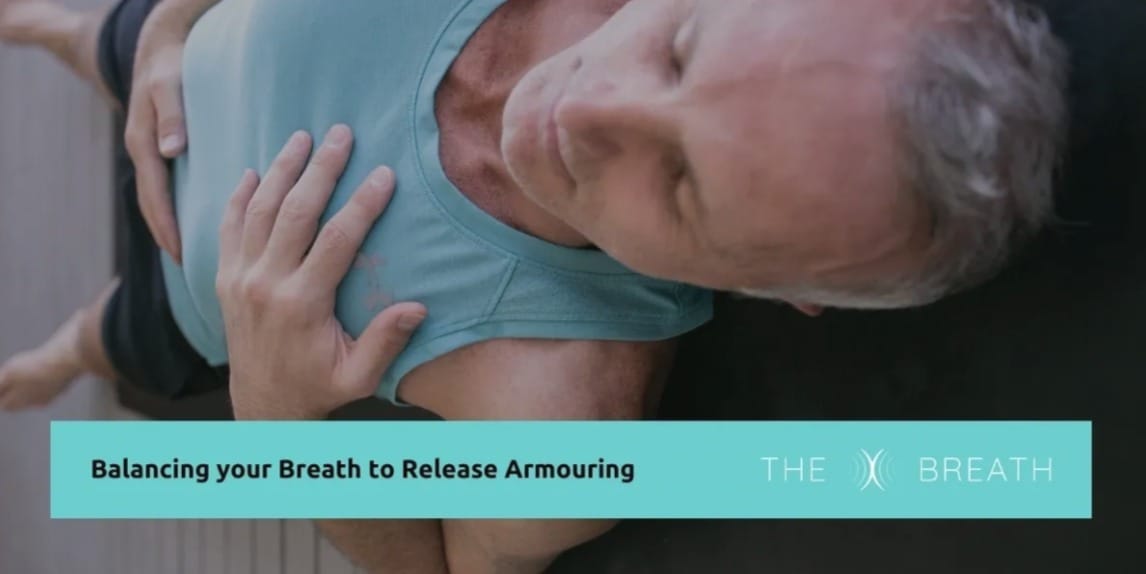
Focusing on belly and chest breathwork techniques offers a powerful way to address the stored emotional and physical tension within the body.
Reichian Breathwork, often associated with the pioneering work of Wilhelm Reich, is a therapeutic approach that focuses on the importance of the breath for emotional and physical well-being.
Central to this approach is the concept of armouring — the physical and emotional tension stored in the body — and how breathwork can help release these tensions. This article delves into Reichian Breathwork, with a special focus on the belly and chest breathwork techniques, exploring their principles, methods, and benefits.
Who Was Wilhelm Reich and How Did He Develop This Approach?
Wilhelm Reich was an Austrian psychoanalyst and psychotherapist who developed Reichian therapy in the early 20th century. He believed that unresolved emotional conflicts were stored in the body, manifesting as physical tension and somatic complaints. Reichian Breathwork builds on this foundation, emphasizing the role of your breath in releasing this stored tension and facilitating emotional healing.
These principles form one of the foundational pillars of Expansion Breathwork, where releasing armouring through conscious breathing is central to the practice.
What Are the Core Principles of Reichian Breathwork?
Releasing Armouring
According to Reich, armouring is the body's defense mechanism that stores emotional and physical tension. This armouring is thought to be a result of unresolved conflicts, emotional traumas, and societal conditioning. Reichian Breathwork aims to release the armouring by working with the breath. This release allows for a deeper experience of one's emotions and a greater sense of freedom.
Breathing and Emotion
Reich believed that breath and emotions were deeply connected. Emotional suppression could manifest as restricted breathing, and conversely, releasing emotional tension could lead to freer and fuller breathing. In Reichian Breathwork, the focus on the belly and chest breathing techniques is essential.
Body-Mind Connection
This therapeutic approach acknowledges the interplay between the body and mind. It proposes that by releasing physical tensions, individuals can achieve emotional release and vice versa. Reichian Breathwork seeks to unblock the flow of life energy, often referred to as "bioenergy" or "orgone energy," by addressing muscular tensions and breathing patterns.
How Do You Practise Belly and Chest Breathing Techniques?
The Belly and Chest Breath Technique is one of the fundamental methods used in Reichian Breathwork. This technique aims to bring awareness to the breathing patterns and tensions held in the abdominal and chest regions, releasing blocked emotions and promoting relaxation. These techniques aim to address specific areas of tension and armouring in the body.
Belly Breathing
Preparation: Find a quiet, comfortable space where you can lie down or sit in a relaxed position. When lying, you may want to have your knees bent with your feet flat on the floor. This can help get a fuller breath and feel more grounded in your legs.
Relaxation: Begin by taking a few deep breaths to relax your body. Focus on the breath, allowing it to become slower and deeper, centering yourself in the present moment.
Belly Emphasis: During this technique, you should emphasize the expansion of your belly on the inhalation. Inhale deeply through your nose, allowing the belly to rise. Keep the chest relatively still.
Exhalation: Exhale slowly through your mouth, releasing any tension in your abdomen. The exhalation should be longer than the inhalation.
Mindful Awareness: As you practice belly breathing, be mindful of any areas of tension or discomfort in your abdomen. This is a sign of armouring. With each breath, focus on releasing this tension and allowing your belly to expand fully.
Chest Breathing
Chest Emphasis: In this technique, the emphasis is on the chest. Inhale through your nose, allowing the chest to expand while keeping the belly relatively still.
Exhalation: Exhale slowly and deliberately, paying attention to any tightness or tension in the chest area. The exhalation should be longer than the inhalation.
Mindful Awareness: As you practice chest breathing, observe any areas of tension or discomfort in your chest. These sensations represent potential areas of armouring. Focus on releasing this tension with each breath.
Combined Belly and Chest Breathing
Combining Abdominal and Chest Breathing: Continue to alternate between abdominal and chest breathing. This cycle should be slow and rhythmic, with a focus on complete inhalations and exhalations.
Awareness of Tension: The Belly and Chest Breath Technique promotes physical relaxation and releases muscular tension. As you practice this technique, be aware of any physical or emotional tension that arises. Use your breath to release these tensions, letting go of any stored emotions.
Enhanced Self-Awareness: By fostering a connection between the body and emotions, individuals can gain deeper self-awareness and a greater understanding of their emotional landscape. This technique can lead to better breathing habits and increased oxygen intake, benefiting overall health.
What Are the Benefits of Reichian Breathwork?
Reichian Breathwork, especially when using the belly and chest breathing techniques, offers numerous potential benefits:
- Emotional Release: By releasing physical tension, this approach can facilitate emotional release and help individuals process long-held emotions.
- Stress Reduction: The deep and mindful breathing techniques can reduce stress and anxiety.
- Physical Well-being: Reichian Breathwork may alleviate physical symptoms associated with armouring, such as chronic pain or discomfort.
- Greater Self-Awareness: Practitioners often report an increased awareness of their bodies and emotions, leading to personal growth and self-discovery.
- Emotional Freedom: This approach can help individuals break free from emotional patterns that have held them back, leading to greater emotional freedom.
Reichian Breathwork, with a focus on the belly and chest breathing techniques, offers a powerful way to address the stored emotional and physical tension within the body. By consciously working with the breath and releasing armouring, individuals can experience emotional release, reduced stress, and greater self-awareness. Reichian Breathwork is a valuable tool for those seeking emotional healing and a deeper connection with their bodies and emotions, promoting overall well-being with emotional and spiritual growth.
In Sydney, these techniques are explored in depth within Expansion Breathwork sessions, where practitioners are guided through the process of identifying and releasing stored tension in a supported environment.
Guided Breathwork Playlist for Belly and Chest Breathing
Below is a music playlist to use for this technique.
You can use this playlist for 3 rounds of combined belly and chest breathing, or belly only on R1, chest only on R2, and combined belly and chest on R3. Explore both options and use them as desired. Take the time to bring awareness to what arises in the various techniques.
Track 1 — Center yourself with Coherent breathing for 5 mins. The breath rate is 5 breaths per minute or inhale 6 and exhale 6.
Track 2 — This is round 1 of breathing, starting at 30 seconds in. Go slow, you should get 20 breaths when using the music as a guide. Your focus is taking full expansive breaths. Fill the belly, then fill the chest, then let your breath fall away with an audible exhale. You can inhale through the nose or your mouth. Remember that mouth breathing is more intense, so listen to your body.
Track 3 + 5 — Exhale all the air out and either relax with a neutral breath or do a gentle exhale retention and bring awareness to your experience, emotions and felt sensations. 60 seconds.
Track 4 — This is round 2 of breathing. Use the first 26 seconds to come back to a neutral breath before starting this round. When using the music as a guide for speed, you should get approx 25 full breaths.
Track 6 — This is round 3 of breathing. Use the first 36 seconds to come back to a neutral breath before starting this round. When using the music as a guide for speed, you should get approx 30 full breaths.
Track 7 — Use this track for a final exhale retention or simply come back to a neutral breath and relax. If doing an exhale breath retention, you may hold the breath out till 90 seconds, then take a deep breath in and hold for 30 seconds, then release with a loud audible sigh.
Track 8 — Use this time for either a seated meditation and reflection time, or lay down and take savasana/relaxation. It is important NOT to skip this integration time.
Frequently Asked Questions
What is physical armouring in the context of breathwork?
Physical armouring is a concept developed by Wilhelm Reich describing the body's defense mechanism that stores emotional and physical tension. It results from unresolved conflicts, emotional traumas, and societal conditioning, manifesting as chronic muscular tension, restricted breathing, and somatic discomfort. Reichian Breathwork aims to release this armouring through conscious belly and chest breathing techniques.
How does belly breathing differ from chest breathing in Reichian Breathwork?
Belly breathing emphasises the expansion of the abdomen on the inhalation while keeping the chest relatively still, targeting tension stored in the abdominal region. Chest breathing focuses on expanding the chest while keeping the belly still, addressing armouring in the upper body. Combining both techniques in sequence allows practitioners to address stored tension across the entire torso for a more complete release.
Can breathwork really release stored emotional tension?
Yes, according to Reichian theory and the experience of many practitioners. Reich observed that emotional suppression manifests as restricted breathing and muscular tension. By consciously working with the breath — particularly through belly and chest techniques — individuals can access and release long-held emotional patterns, leading to greater emotional freedom, reduced stress, and enhanced self-awareness.
How often should I practise belly and chest breathing techniques?
Regular practice yields the best results. You can follow the guided playlist outlined in this article for a structured session, or integrate shorter belly and chest breathing exercises into your daily routine. As with any breathwork practice, consistency matters more than intensity. Working with an experienced practitioner can help you develop a practice that suits your individual needs.
Ready to release stored tension and experience greater emotional freedom? Explore Mark Moon's upcoming breathwork events in Sydney or book a private session to begin your journey.
About Mark Moon Mark Moon is a Sydney-based breathwork practitioner and the creator of Expansion Breathwork, with over 25 years of experience in holistic wellness. An executive member of the Australian Breathwork Association and registered with the Global Professional Breathwork Alliance, Mark offers 1:1 breathwork sessions, group events, corporate wellness programs, and immersive retreats in Sydney and Byron Bay. Learn more at The X Breath.