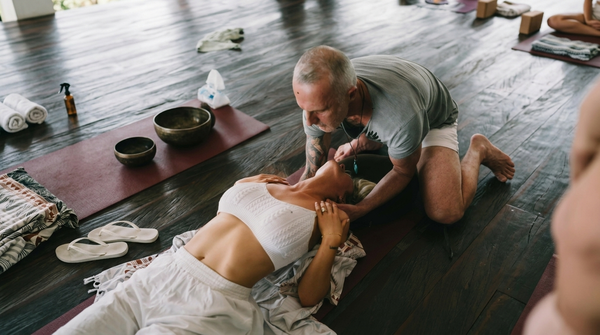
Biohack Your Body with Breathwork: Transform Your Nervous System
 5 min read
Navigating an Ancient Nervous System through a Modern Existence
Published: January 10, 2025 | Category: Breathwork
In today's world, marked by rapid technological advances and high-stress lifestyles, our ancient nervous systems are under relentless pressure. Juggling career goals, family responsibilities, and social media algorithms often leads to an overload of information and stimulation that distorts our reality. Notably, stress levels have surged by over 30% in the last two decades.
In response, age-old practices like breathwork and mindfulness have become essential for maintaining mental balance and optimising health.
Our nervous systems tirelessly process both external and internal data, relaying crucial information about safety, organ function, digestion, and interpersonal interactions throughout our bodies. This article explores the crucial role of breathwork and mindfulness in aligning our primitive physiological responses with the demands of contemporary life, offering effective strategies for enhancing physical, mental, and emotional wellbeing.
Breathwork Boosts Your Brain Power and Nervous System Health
Central Nervous System and Conscious Breathing Techniques
The Central Nervous System (CNS), encompassing the brain and spinal cord, processes sensory information and manages our motor functions, cognition, and emotions. Breathwork enhances this system's function by improving oxygen delivery, which boosts mental clarity and helps stabilise mood.
Techniques such as box breathing and alternate nostril breathing not only increase oxygen uptake but also enhance focus and cognitive performance, illustrating the profound impact of breathwork on mental health.
Somatic Nervous System and Sensory Motor Control
The somatic nervous system manages voluntary muscle movements and processes sensory information from the environment. Controlled breathing techniques enhance this system's effectiveness by improving coordination and body awareness.
Practices such as yoga or mindful movement help reduce physical tension and align the body, leading to more graceful and efficient movements that enrich everyday physical activities and enhance overall movement quality, facilitating a more effective and enjoyable physical experience.
Autonomic Nervous System and Breath Regulation
The autonomic nervous system (ANS) regulates involuntary functions such as heart rate, digestion, sexual arousal and respiratory rate, overseeing the body's stress and relaxation responses.
Breathwork effectively influences the ANS, especially through techniques that activate the vagus nerve within the parasympathetic system. Slow exhalation practices reduce heart rate and blood pressure, promoting relaxation. Alternatively, rapid nasal breathing can stimulate the sympathetic system, boosting alertness and enhancing sexual and physical performance.
This balance between activation and regulation is a core principle of Expansion Breathwork, which works with the full spectrum of the autonomic nervous system.
Enteric Nervous System and Emotional Experiences
Often called the "second brain," the enteric nervous system operates independently to regulate gastrointestinal functions like digestion, gut motility, and blood flow. This system is sensitive to emotional states and stress, which can disrupt digestive health.
Breathwork, by reducing stress through down-regulating techniques and stimulating the vagus nerve, enhances gut function and digestive health. This activation of the parasympathetic response within the gut-brain axis not only improves digestion but also alleviates stress-related gastrointestinal issues, highlighting the critical role of breathwork in managing health.
Neuro-Endocrine System and Hormonal Harmony
The neuro-endocrine system, crucial in regulating hormones that influence our mood and metabolism, responds dynamically to breathwork. Practices like controlled breathing, along with thermal therapies such as saunas and ice baths, modulate stress hormones including cortisol and adrenaline.
These breathing techniques support hormonal balance, enhancing sleep quality, boosting energy levels, and stabilising emotions. The overall hormonal adjustment through breathwork underscores its profound impact on health, demonstrating how it supports our body's intricate regulatory systems.
Understanding Breathing and Its Scope for Impactful Change
Breathing operates through biochemical, biomechanical, and psychophysiological pathways to profoundly affect our holistic health.
Biochemically, it fine-tunes hormone regulation and enhances cellular health, thereby facilitating shifts in body chemistry. It increases CO2 tolerance which improves oxygen uptake and induces relaxation while also boosting energy through elevated Nitric Oxide production.
Biomechanically, breathing supports the physical structure by improving posture and lung capacity. It stimulates the diaphragm's effective contraction and alleviates tension in the torso and shoulders, enabling better respiratory muscle function and overall physical wellness.
Psychophysiologically, breathing acts as a bridge linking mental states to physical health, enhancing emotional regulation through controlled breathing. This alignment of mind and body supports overall wellbeing and illustrates breathwork's extensive capacity to effect significant health and psychological benefits.
Breathing Techniques for Biohacking Your Health
The Breathe Light, Low, and Long Technique
Discover the Breathe Light, Low, and Long technique, a simple yet effective method used extensively in my yoga classes and personal practice. This technique bolsters diaphragmatic efficiency, encourages relaxation, and releases tension, making it essential for optimising health and managing stress.
Instructions:
Breathe Light: Sit comfortably, breathe gently through your nose as if barely breathing. Aim for a slight air hunger, the key sensation in this practice.
Breathe Low: Shift focus to your lower torso. Let your belly and lower ribs expand as you relax. This relaxes accessory muscles and enhances diaphragmatic activity. Drop your shoulders to ease upper body tension.
Breathe Long: Extend each breath cycle to about five seconds in and out, focusing on a smooth, natural rhythm without strict timing for a relaxed breathing experience.
Coherent Breathing and Gentle Breath Holds
Coherent breathing, aimed at stabilising the breath rate to optimise heart rate variability, involves slow, rhythmic inhalation and exhalation, each lasting about six seconds. This method is widely recommended for its calming effects on the mind and its ability to synchronise the cardiovascular, respiratory, and nervous systems.
Enhance this practice by adding gentle breath holds every 2 minutes — after exhaling, hold for about 30-60 seconds, repeated several times, to deepen relaxation and boost physiological efficiency.
These techniques are pivotal for anyone looking to enhance their physiological and psychological wellbeing through controlled breathing.
Combining Ancient Wisdom with Modern Science for Holistic Wellness
Breathwork merges ancient wisdom with modern science, offering transformative benefits for mental, physical, and emotional health. By understanding and applying targeted breathwork techniques, you can manage stress more effectively, enhance sleep quality, and strengthen your digestive health, tapping into the full potential of this practice for holistic wellness.
Focus on these three critical areas to enhance wellbeing:
Stress Management: Use targeted breathwork techniques to manage stress more effectively, preventing its escalation and reducing the risk of related health issues.
Sleep Optimisation: Integrate breathing exercises like coherent breathing into your nightly routine to encourage deep, restorative sleep and prepare your body for rest.
Gut Health and Relaxation: Activate the vagus nerve to improve digestive health and emotional balance, strengthening the gut-brain connection for overall wellness.
Frequently Asked Questions
Q: How does breathwork biohack the nervous system?
Breathwork directly influences the autonomic nervous system by activating the vagus nerve and shifting the body between sympathetic (alert) and parasympathetic (relaxed) states. Techniques like slow exhalation reduce heart rate and blood pressure, while rapid nasal breathing boosts alertness — giving you conscious control over involuntary bodily functions.
Q: What is coherent breathing and how does it help?
Coherent breathing involves slow, rhythmic inhalation and exhalation of about six seconds each. This stabilises your breath rate to optimise heart rate variability (HRV), synchronises cardiovascular and respiratory systems, and promotes deep calm. Adding gentle breath holds after exhalation further deepens relaxation and physiological efficiency.
Q: Can breathwork really improve gut health?
Yes. The enteric nervous system — often called the "second brain" — is highly sensitive to stress. Breathwork reduces stress by stimulating the vagus nerve and activating the parasympathetic response, which enhances digestion, improves gut motility, and alleviates stress-related gastrointestinal issues through the gut-brain axis.
Q: How long does it take to notice benefits from a regular breathwork practice?
Many people notice immediate shifts in calm and mental clarity after a single session. However, sustained benefits like improved sleep quality, better stress resilience, and enhanced digestive health typically develop over two to four weeks of consistent daily practice, even with sessions as short as ten to fifteen minutes.
Ready to biohack your body through the power of breath? Explore Mark Moon's upcoming breathwork events in Sydney or book a private session to experience these techniques with expert guidance.
Compare Sydney breathwork practitioners who can name a method, not only a vibe.
About Mark Moon Mark Moon is a Sydney-based breathwork practitioner and the creator of Expansion Breathwork, with over 25 years of experience in holistic wellness. An executive member of the Australian Breathwork Association and registered with the Global Professional Breathwork Alliance, Mark offers 1:1 breathwork sessions, group events, corporate wellness programs, and immersive retreats in Sydney and Byron Bay. Learn more at The X Breath.